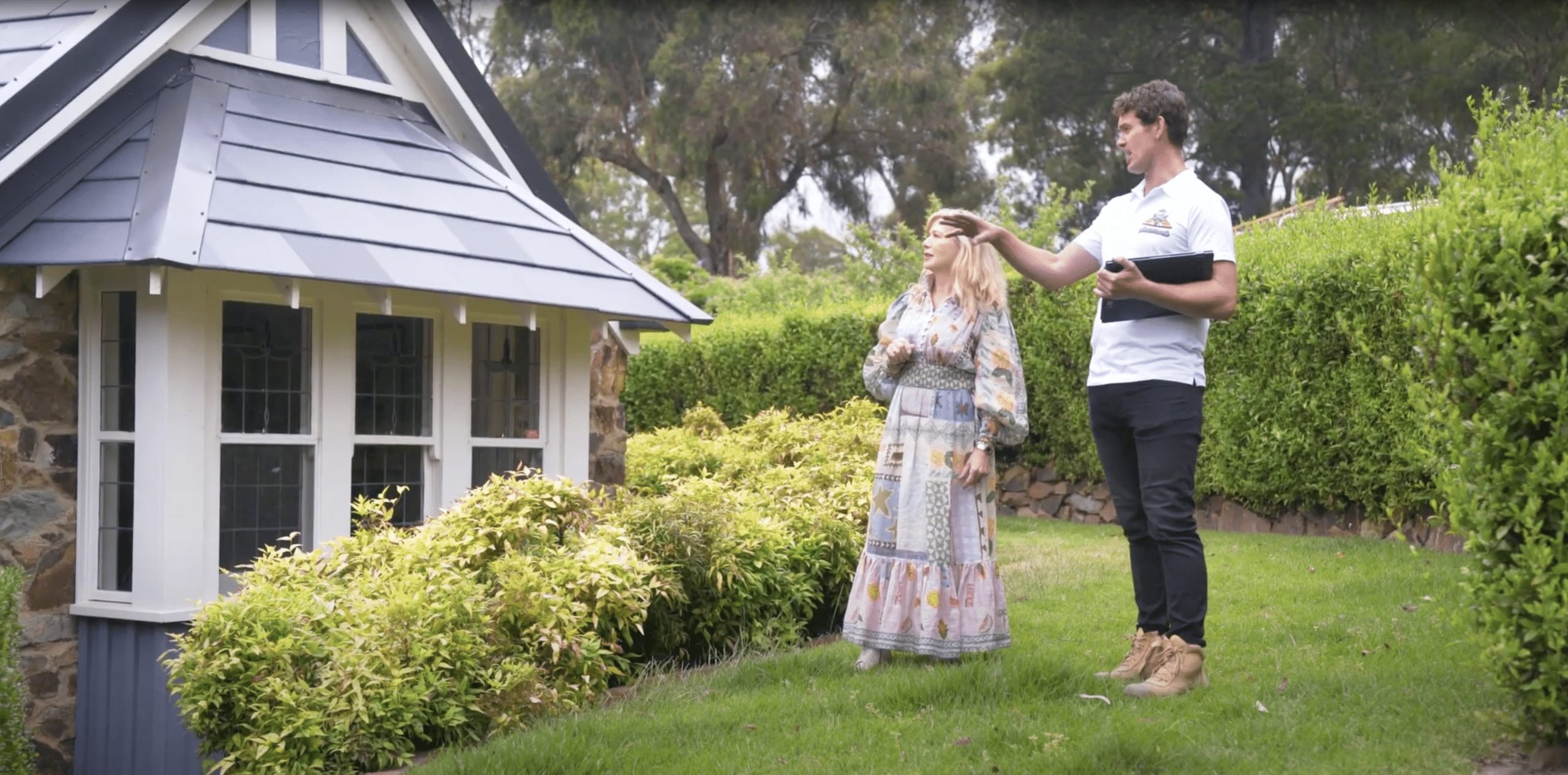

Heritage Terracotta Tile Preservation: 100-Year-Old Roof, St Kilda
A terracotta roof imported from India a century ago, on a St Kilda house where everything beneath the tile had failed and the tile itself had not. The roof came off, the system underneath was rebuilt, and 72% of the original tiles went back on.
A Tile That Came a Long Way
The tile on this St Kilda house was imported from India and laid roughly a hundred years ago.
That single fact decides everything else about the job. Welsh slate at least has quarries you can still ring. Discontinued Australian tile can occasionally be found second-hand. A hundred-year-old terracotta tile that arrived by ship from another continent, on a trade route that no longer runs, is not replaceable in any practical sense. Not matched, not sourced, not approximated.
So the roof had exactly as many tiles as it had, and the number could only go down.
What Had Actually Failed
The tile was fine.
That is the finding that mattered, and it is more common on heritage roofs than most owners are told. Good terracotta regularly outlasts everything supporting it.
After a hundred years in the sun the tiles on this roof were still doing their job. Every component beneath them had stopped doing theirs.
The timber battens had reached the end of their service life. The metalwork was failing. There was no insulation, because there was no insulation in the 1920s.
That is a roof that looks like it needs replacing and does not. What it needs is everything underneath it rebuilt, and the same tile laid back over the top. That is roof restoration, not replacement, and it is a genuinely different service.
Taking Off a Roof You Cannot Replace
The removal is the whole risk on a job like this.
Stripping a roof for replacement is fast, because breakage does not matter. Here every broken tile was a permanent loss, on brittle material a century old, with no way to make up the shortfall.
Tiles were lifted individually and stacked. Not levered, not shovelled, not walked on. The client's own summary of why they hired us was that we understood old tile well enough to move it without breaking it, which is a strange thing to have to specify and exactly the right thing to have specified.
72% came off intact and went back on.
Both are true. A tile can be perfectly serviceable on a roof and still break when you lift it. In place, a terracotta tile is supported along its length, loaded evenly and doing the job it was made for. Lifting it means working it off a century-old fixing, taking its weight at a point it was never designed to carry, and asking brittle material to flex. Sound under load and survives removal are two different tests, and after a hundred years the second one is much harder than the first.
Just under three quarters of this roof passed both.
Rebuilding Everything Underneath
With the terracotta off and stacked, the roof was rebuilt from the structure up.
All timber battens were renewed. All metalwork was replaced. Insulation went in, which the roof had never had, so a hundred-year-old house gained thermal performance it was not built with. Nothing about that decision is visible from the street.
Then the tiles went back on, laid to the original setout, with the ridge reinstated to match. Every tile was cut, wired or clipped to current fixing standards, so a roof laid in the 1920s now meets requirements that did not exist when it was built.
Old tile. New everything else. That is heritage terracotta roof restoration when the material is worth keeping.
Preservation Was the Cheaper Answer
Worth saying plainly, because it runs against what most people assume.
The client wanted a quality result that fit within a budget. Conservation work is usually sold as the premium option, and on this roof it was the opposite.
A roof's worth of new tile is the largest single line item in a roof restoration or replacement. Removing nearly three quarters of that cost, and spending the money instead on battens, metalwork and insulation, produced a better roof for less. Most of the tile was already paid for a century ago.
That will not be true on every heritage roof. When the tile is failing, preservation becomes the expensive path, and we will say so. On this roof it was not.
What Was Done
The Outcome
The house looks exactly as it did, which is the point.
Most of the tile is the tile that came from India a hundred years ago, sitting in the same coursing it has always sat in. Under it, the battens are new, the metal is new, and there is insulation where there has never been insulation.
The client asked for a quality result, within budget, from one team managing the whole thing. They got a roof that will outlast the one they were expecting to buy, for less, without losing anything that made the house worth keeping.
We took the same view on a 155-year-old Welsh slate roof at Penshurst, where 78% of the original slate went back on a completely rebuilt system. The material and the era differ. The reasoning does not.
Two Heritage Roofs in St Kilda. One Saved, One Replaced.
St Kilda heritage roofing has produced two of our most instructive jobs. A few minutes from this house we replaced a 1912 Edwardian slate roof entirely, in new Glendyne slate.
Both are heritage buildings. Both owners wanted the heritage preserved. We reached opposite conclusions.
That is the decision every heritage roof comes down to, and it is not answerable from the ground or from a photograph. It is answerable by lifting a section and looking underneath.
Frequently Asked Questions
Often, yes. Good terracotta regularly outlasts the battens, metalwork and fixings supporting it, so the tile is frequently the soundest part of an old roof.
The only way to know is to lift a section and assess the material directly rather than judging it from the ground.
Slowly, individually, and by hand. Tiles are lifted and stacked rather than levered or walked on.
Understanding how a particular tile behaves at a particular age is most of the skill, and it is the reason a heritage strip takes longer than a replacement strip.
Sometimes, and this project is an example. New tile is the largest single cost in a replacement, so if the original material is sound, removing that cost can make restoration the more affordable option.
Where the tile is failing, the reverse is true.
Yes, and the roof coming off is the opportunity to do it.
Insulation goes in beneath the tile while the battens are being renewed, so a period house gains thermal performance with nothing visible changing.
Yes, and it is the most common misunderstanding about salvage. In place, a tile is supported along its length and evenly loaded.
Lifting it means working it off a century-old fixing and asking brittle material to flex at a point it was never designed to carry. Sound in service and survives removal are two different tests.
Some always do. On this St Kilda roof 72% came off intact. The question is never whether there will be losses, but how many, and what covers the shortfall.
Where there is one, tile can often be concentrated on the visible planes so the street elevation stays entirely original. That decision is made on the roof, not in a quote.
More Heritage Roofs Worth Keeping
Heritage roofing decisions start with the material: assess it properly, then preserve, replace or reinstate what the roof can support.
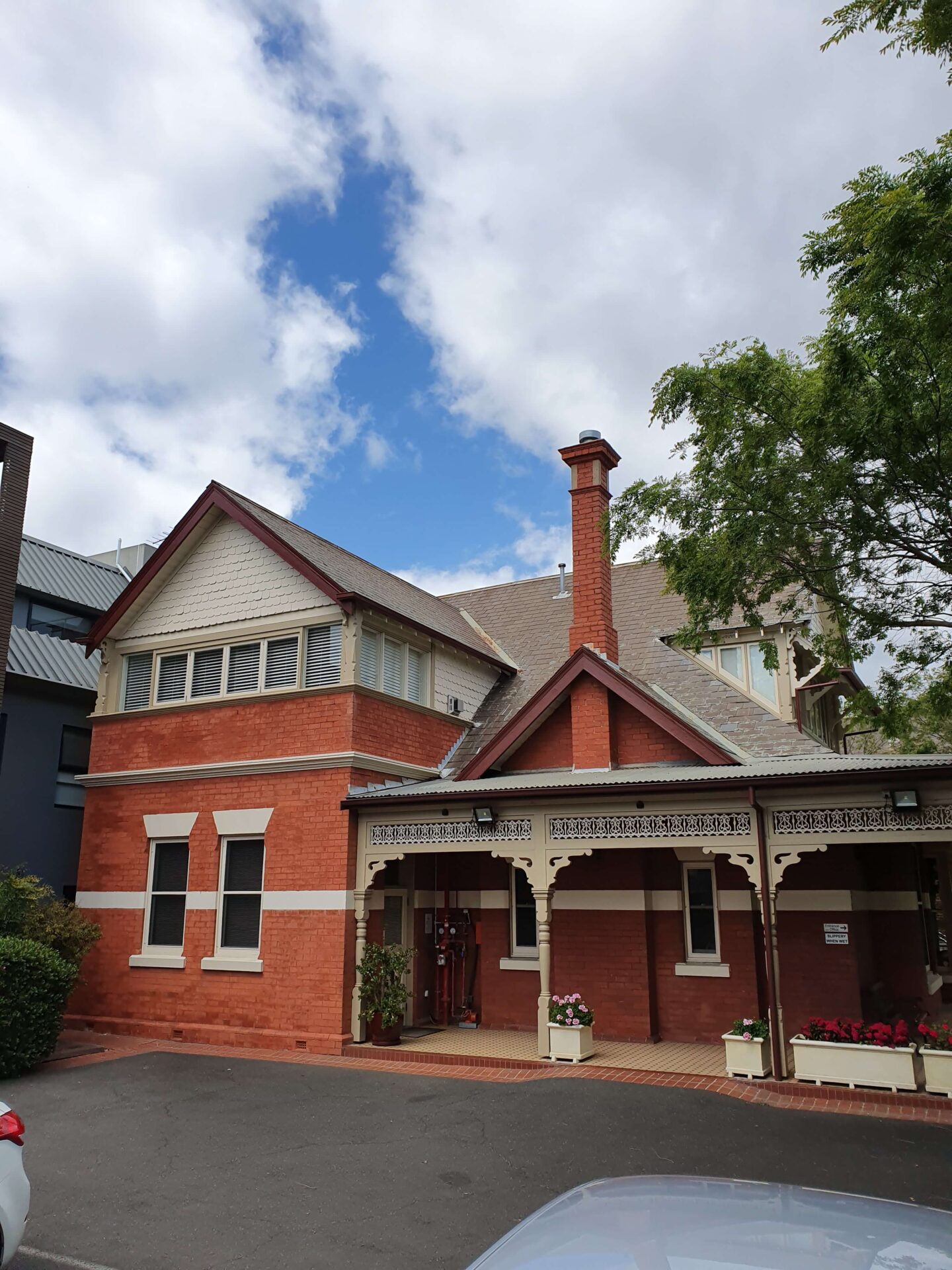
Edwardian Slate Re-Roof: 1912 Establishment
The same suburb and the opposite call. Slate and structural timber both failed, so the roof was stripped and replaced in Glendyne slate to keep the character.
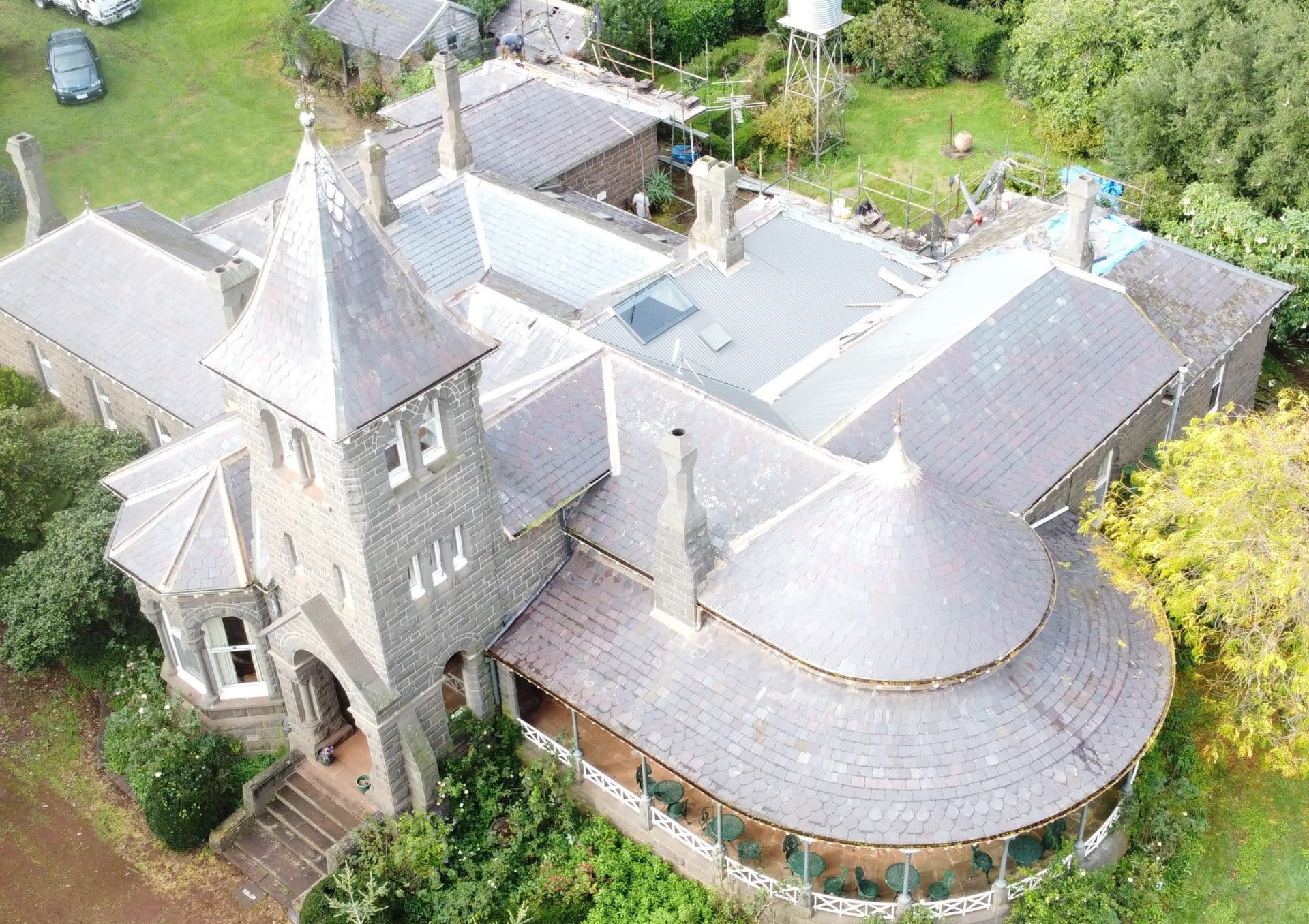
Heritage Welsh Slate Roof Preservation
A 155-year-old Welsh slate roof that could not be replaced like for like. 80% of the original slate reinstated over a fully rebuilt roof system.
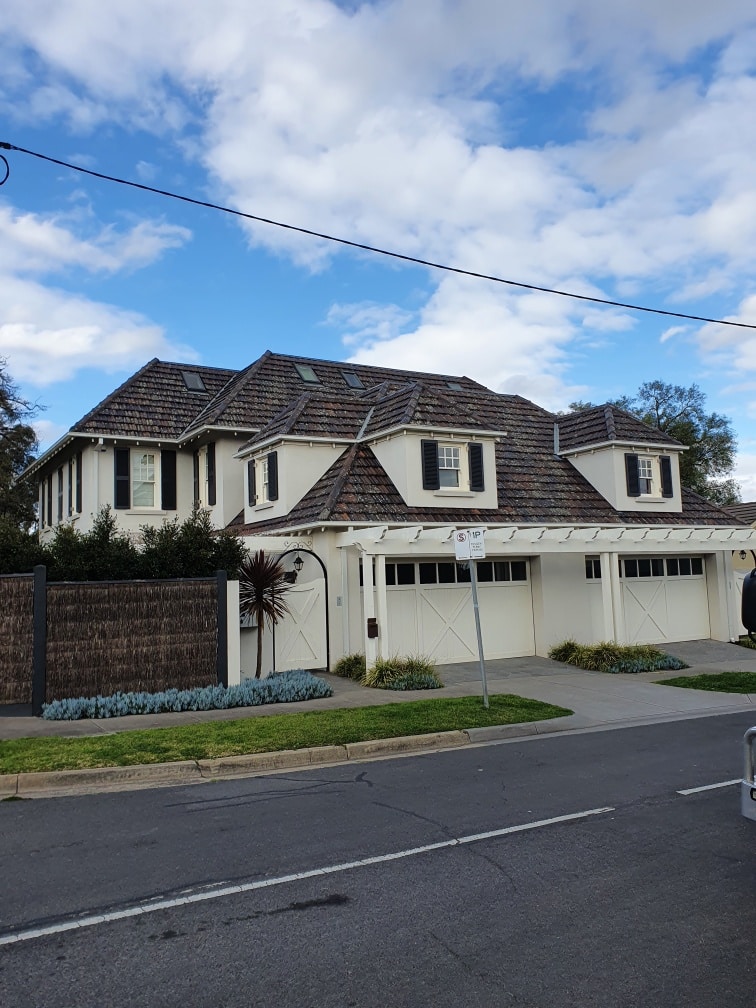
Salvaged Tiles on a New Build
78% of a discontinued terracotta roof saved from a demolished Kew home and reinstated on the two dwellings that replaced it.
Before You Price a New Roof
Most heritage roofs get quoted for replacement before anyone checks whether the tile is still doing its job. It usually is. Book a heritage roof inspection that looks underneath.