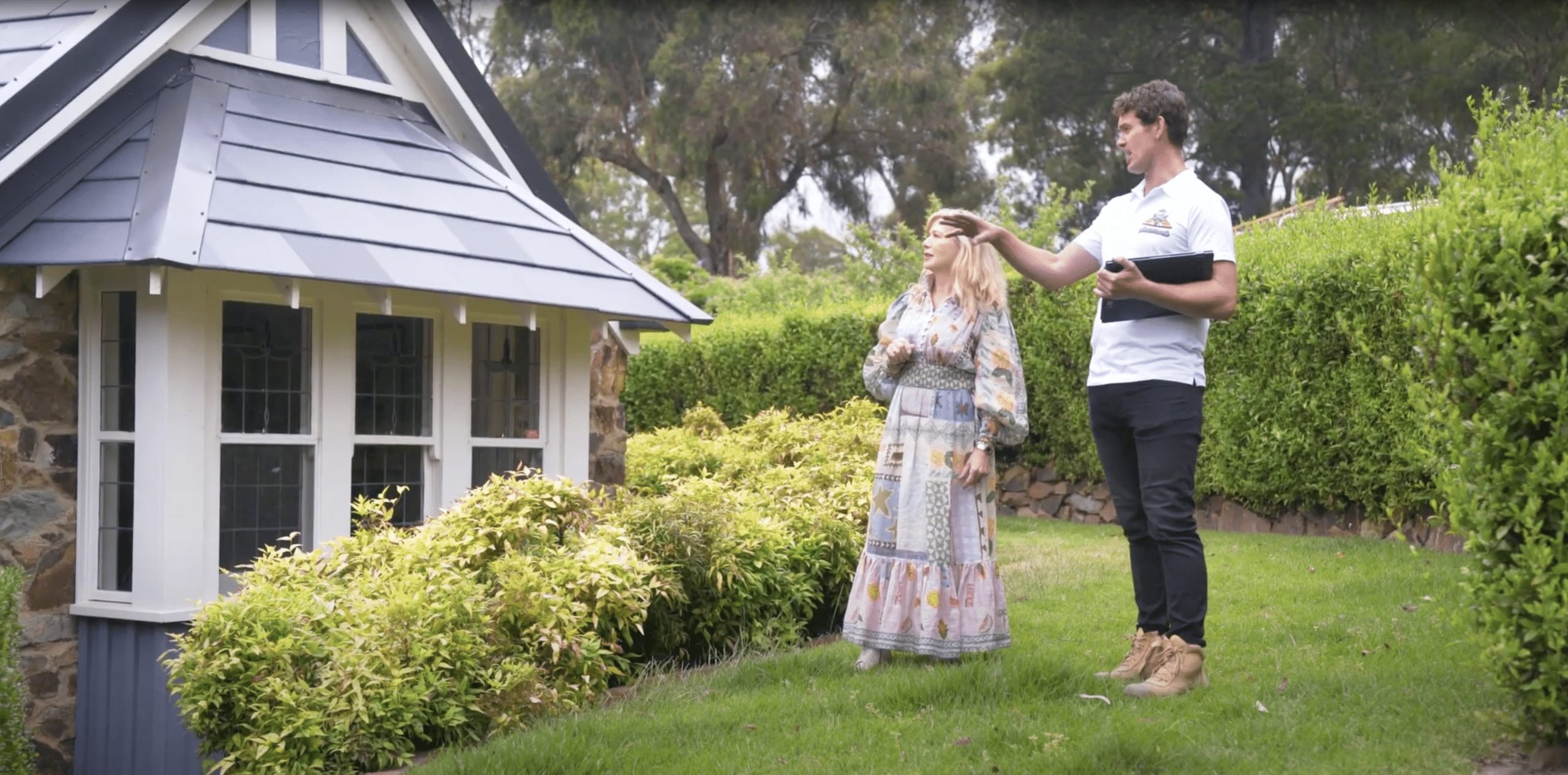

Cedar Shingle to Barrington Tile Roof Replacement, Wonga Park
A rare cedar shingle roof, rotted at thirty years and combustible on a bushfire-overlay bush block. Replaced in non-combustible terracotta, matched to the original profile, on a frame adjusted to carry it.
A Stone House Built for the Bush
Wonga Park sits in Manningham's green wedge, on the Yarra Valley fringe. Large blocks, heavy tree cover, and houses set back into the bush rather than onto the street.
This one was a custom build from about thirty years ago. Stone walls, deep eaves, and a roof laid in American cedar shingle. That was a deliberate and unusual choice. Cedar shingle gives a soft, broken, timber texture that sits naturally against stone and eucalypt, and almost nobody in Melbourne specified it.
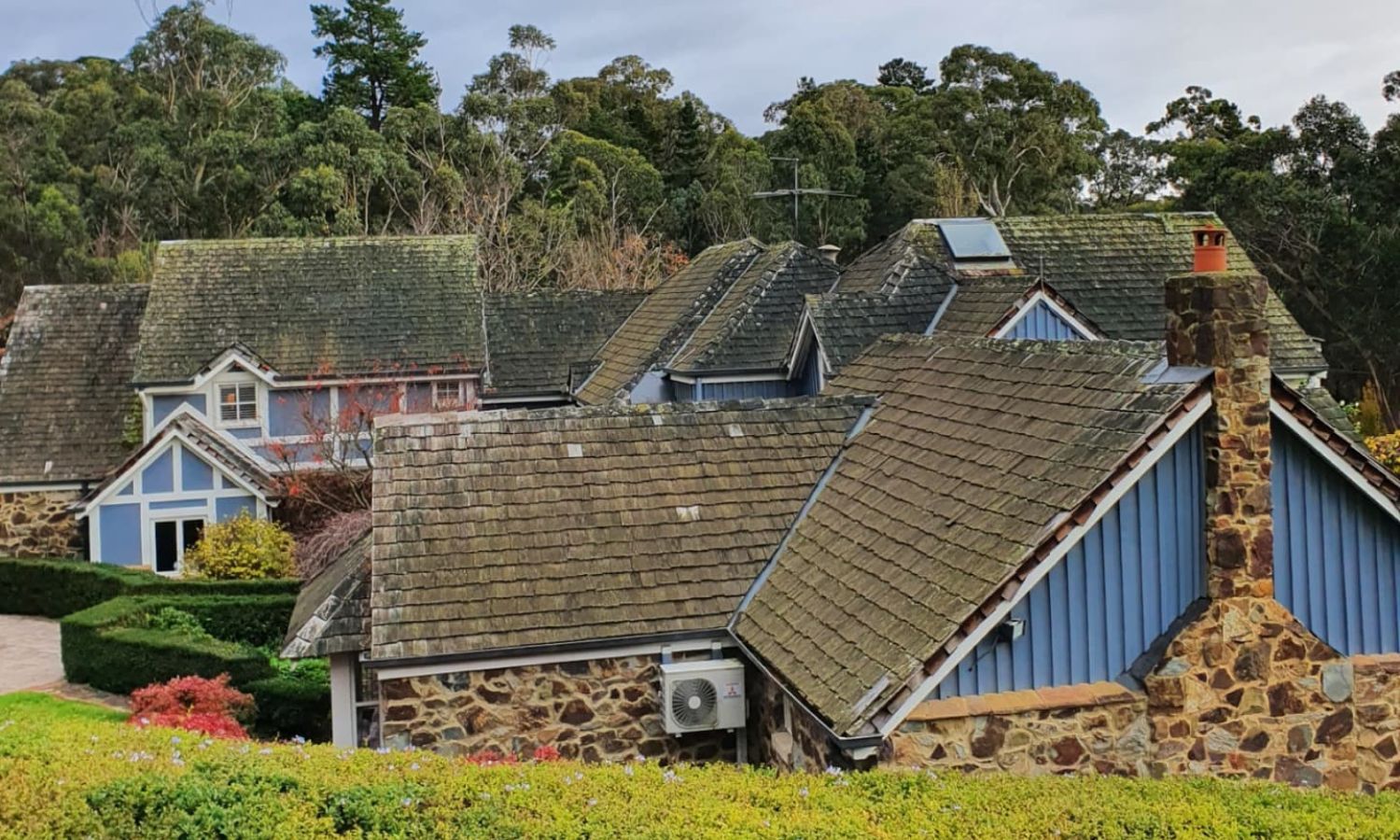
Thirty years later it had run out of life.
Three Problems That Pulled Against Each Other
Most roof replacements have one problem. This one had three, and solving any of them badly would have cost the other two.
The roof was combustible
Cedar shingle is timber. On a bush block inside a Bushfire Management Overlay area, a timber roof is the wrong material in the wrong place.
The original look had to survive
The shingle texture was the reason the house works. Swap it for sheet metal or a flat tile and you have a different house.
The frame was built for less
Cedar shingle is light. Terracotta is not. The existing structure was engineered around the original material and could not simply carry a heavier one.
One material had to answer all three.
The Only Material That Answered All Three
Barrington's shingle-profile terracotta tile was the only material that answered all three.
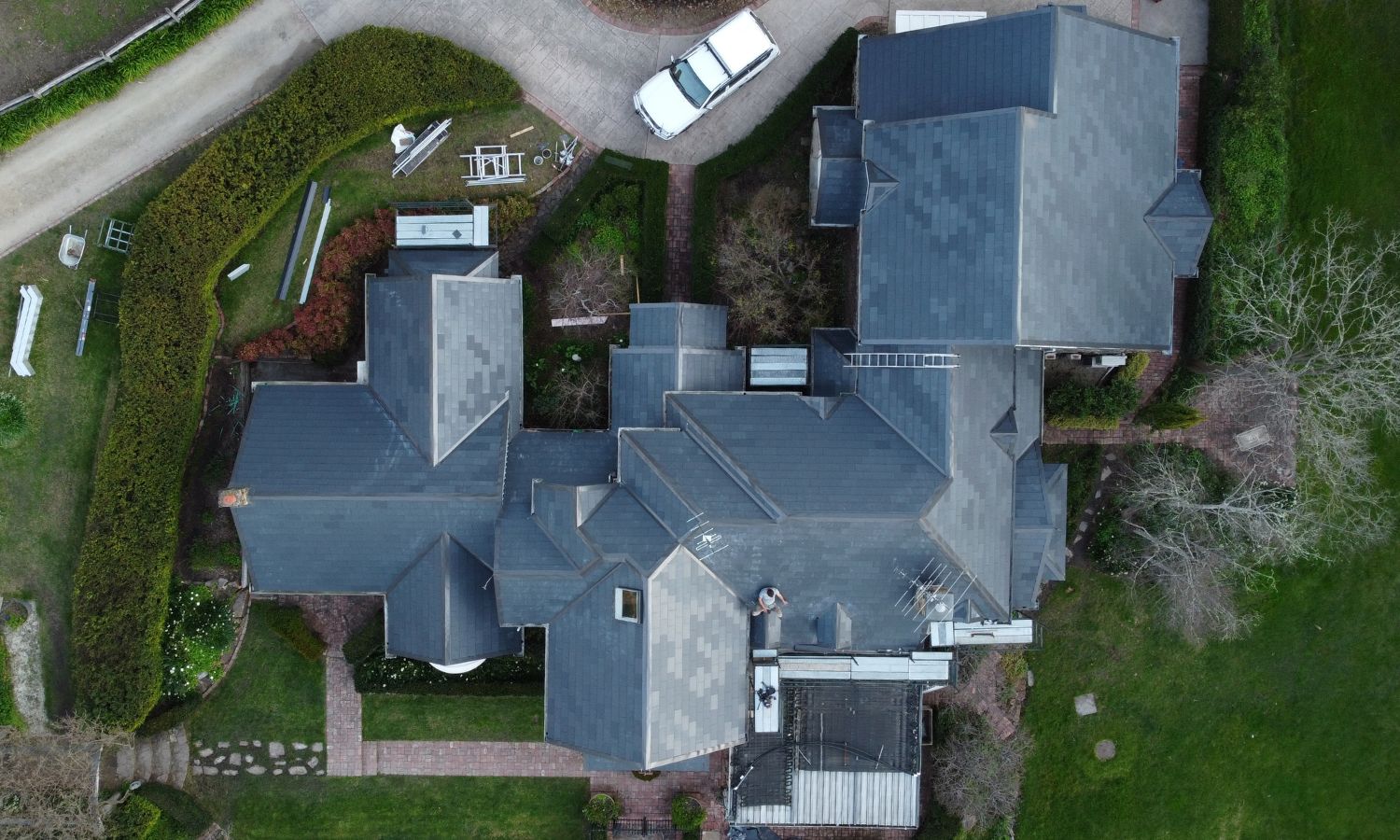
It is terracotta, so it does not burn. It is moulded in a shingle profile, so from the driveway it reads as broken timber rather than as a tile roof. And it is a current product with a service life measured in generations rather than decades.
We stripped everything: shingles, original valley irons, flashings and protrusions. Nothing from the old roof was carried over.
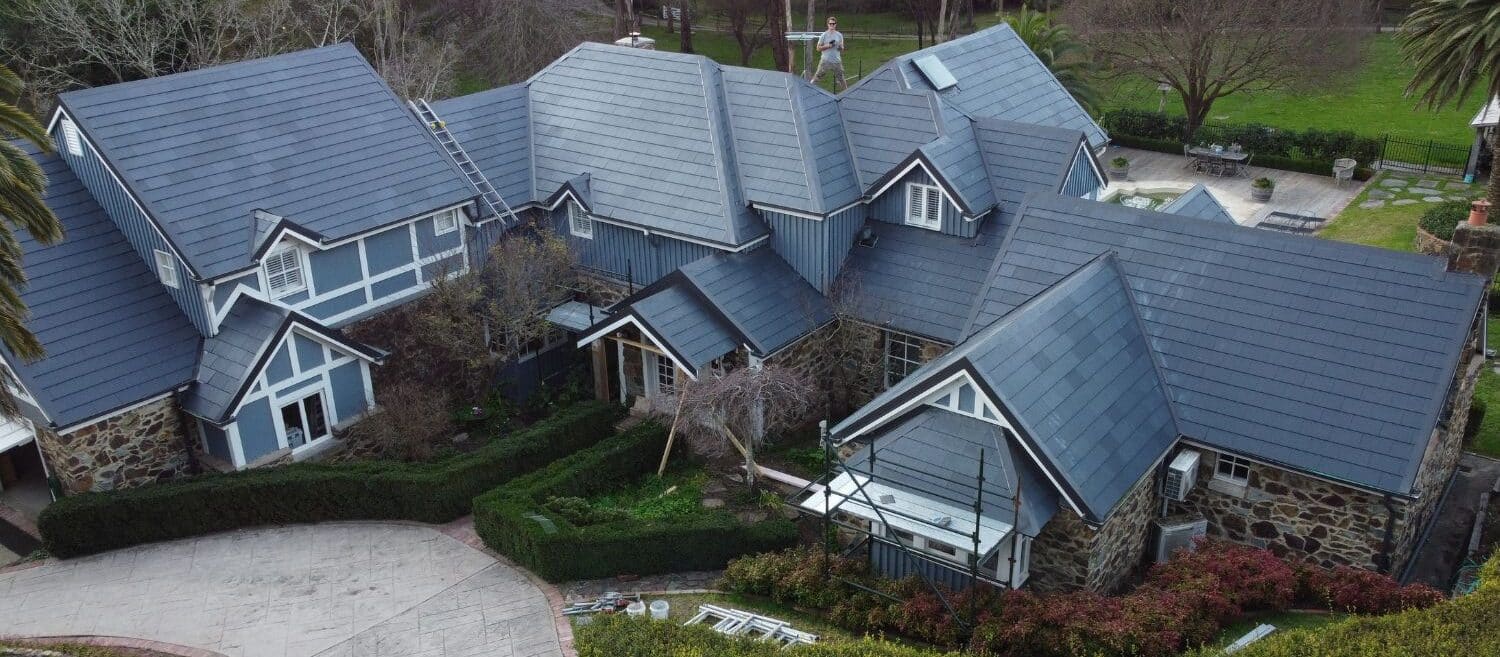
Cedar Shingle to Barrington Tile
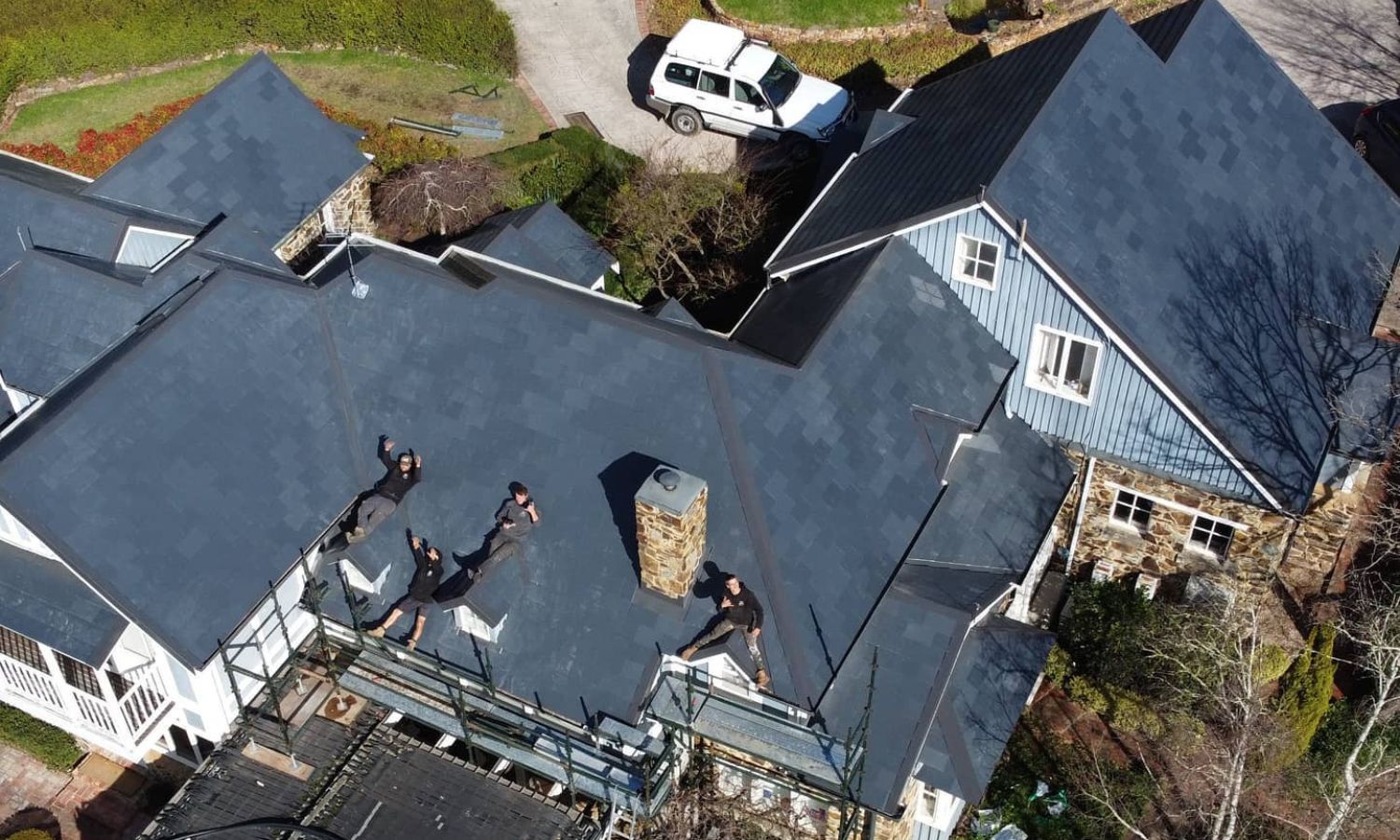
Two stages of the same roof at Wonga Park. Left: original cedar shingles at end of life. Right: Barrington terracotta shingle profile, completed.
"I am very particular, and I required a certain finish for a quite unique home."
Roslyn, Wonga Park homeowner
Making the Frame Suit the Material
This is the part of the job that does not photograph well and matters most.
The frame was adjusted where required to carry the new load. New battens and insulation went in over the corrected structure. Only then did tiling begin.
Getting this wrong is how a shingle-to-tile conversion turns into a structural problem five years later. There is no way to assess it from the ground, and no way to shortcut it once the roof is open.
Closing the Gaps
On a bush block, the junctions do more than carry water. Gaps at valleys, ridges and capping are where embers lodge.
New Colorbond valleys, flashings and soaker trays were installed throughout, then finished and sealed with Colorbond capping colour-matched to the tile. Every junction closed, every transition detailed.
What Was Done
The Wonga Park Project in Detail

The Roof, As the Architect Intended
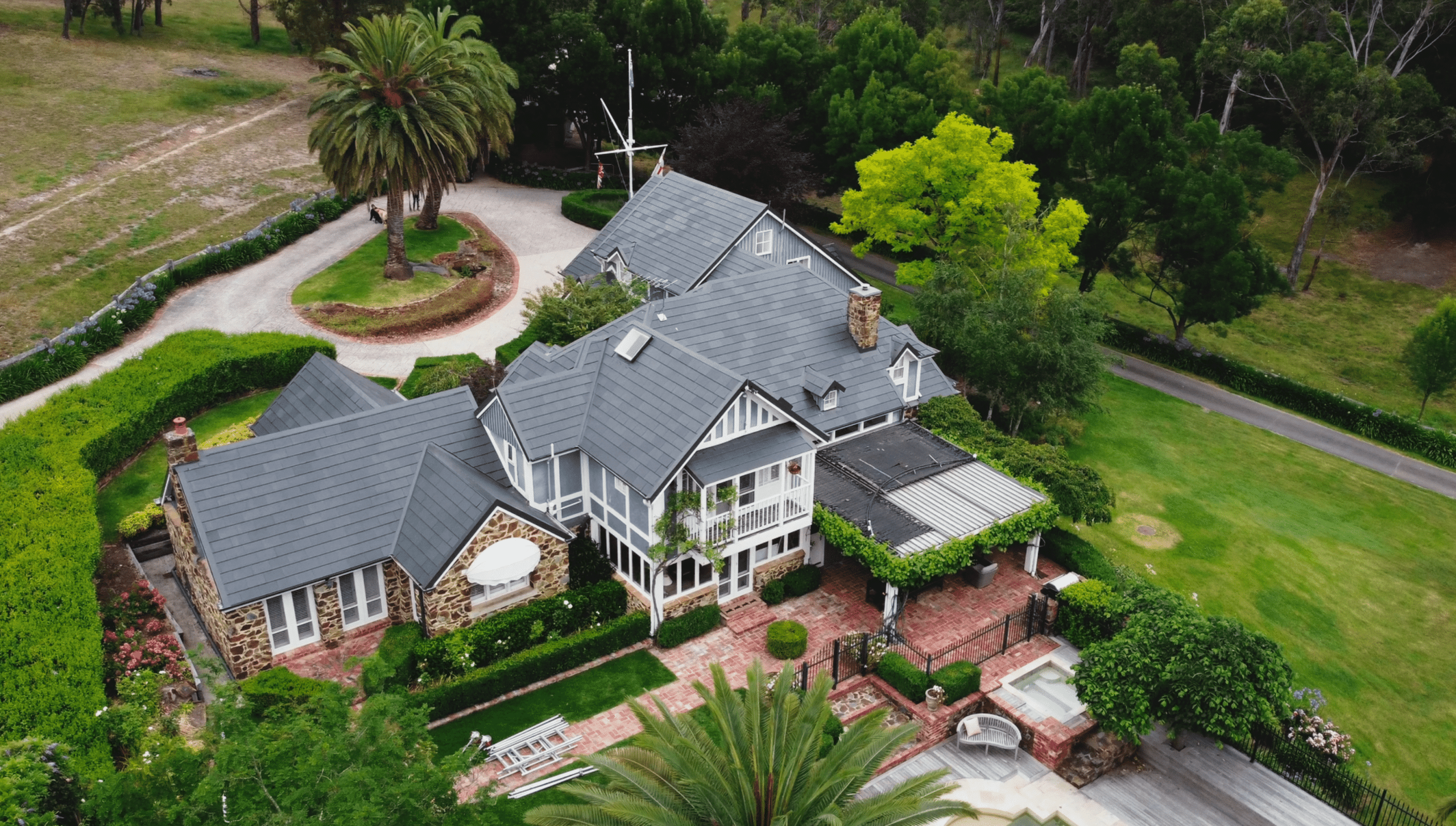
From the driveway, the roof reads the way the architect intended. Broken texture, soft line, sitting quietly against the stone and the trees.
What has changed is everything you cannot see. The timber is gone from the roof. The structure carries its load properly. The junctions are sealed.
Frequently Asked Questions
Around thirty years in our climate, sometimes less on a treed block. Leaf litter holds moisture against the timber and accelerates rot.
The failure is usually gradual and hard to see from the ground, which is why cedar roofs tend to be replaced later than they should be.
Yes. Barrington's shingle-profile terracotta is moulded to give the broken timber texture of cedar shingle.
From ground level the character carries. Up close it is clearly terracotta, which on a bush block is the point.
Not without assessment. Cedar shingle is a much lighter roof than terracotta, so the original structure was engineered for a different load.
The frame needs to be checked and usually adjusted before tiling. This is the step that gets skipped, and it is the one that causes problems later.
Cedar shingle is timber, and timber is combustible. Terracotta is not. On a bush block the material on your roof is part of your exposure.
For requirements specific to your property, your council is the right place to start.
More Projects Where the Material Decision Mattered
Each of these projects involved a constrained material choice made deliberately. The right outcome on each roof came from understanding what the material was doing for the building, not just what it cost.

Heritage Welsh Slate Roof Preservation, 1860s Homestead
A 155-year-old Welsh slate roof that could not be replaced like for like. 80% of the original slate reinstated over a fully rebuilt roof system.
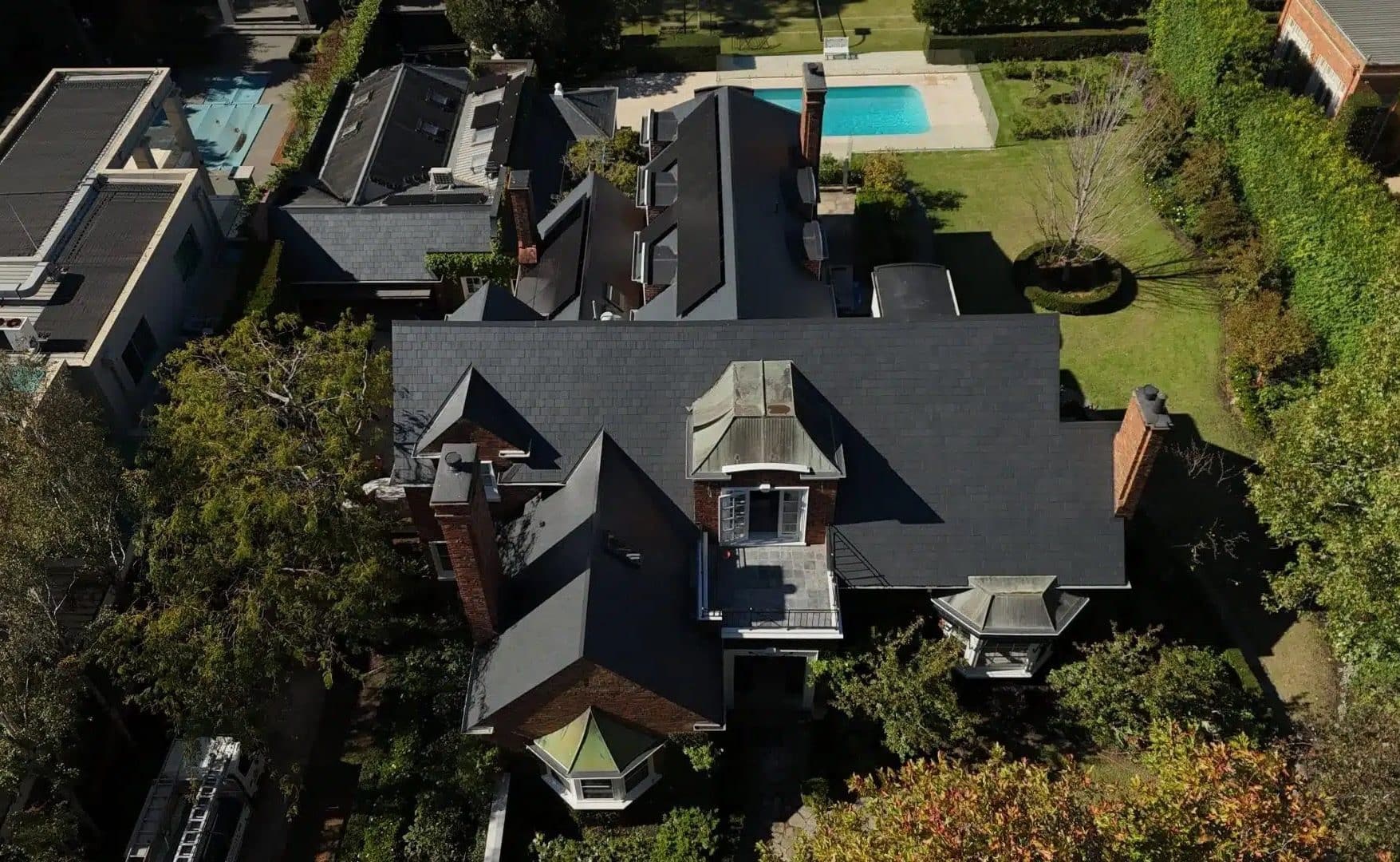
Heritage Slate Replacement with Solar Integration
A 1930s English-style home on Scotch Hill. Full slate replacement with structural correction, solar integration and Colorbond metalwork...
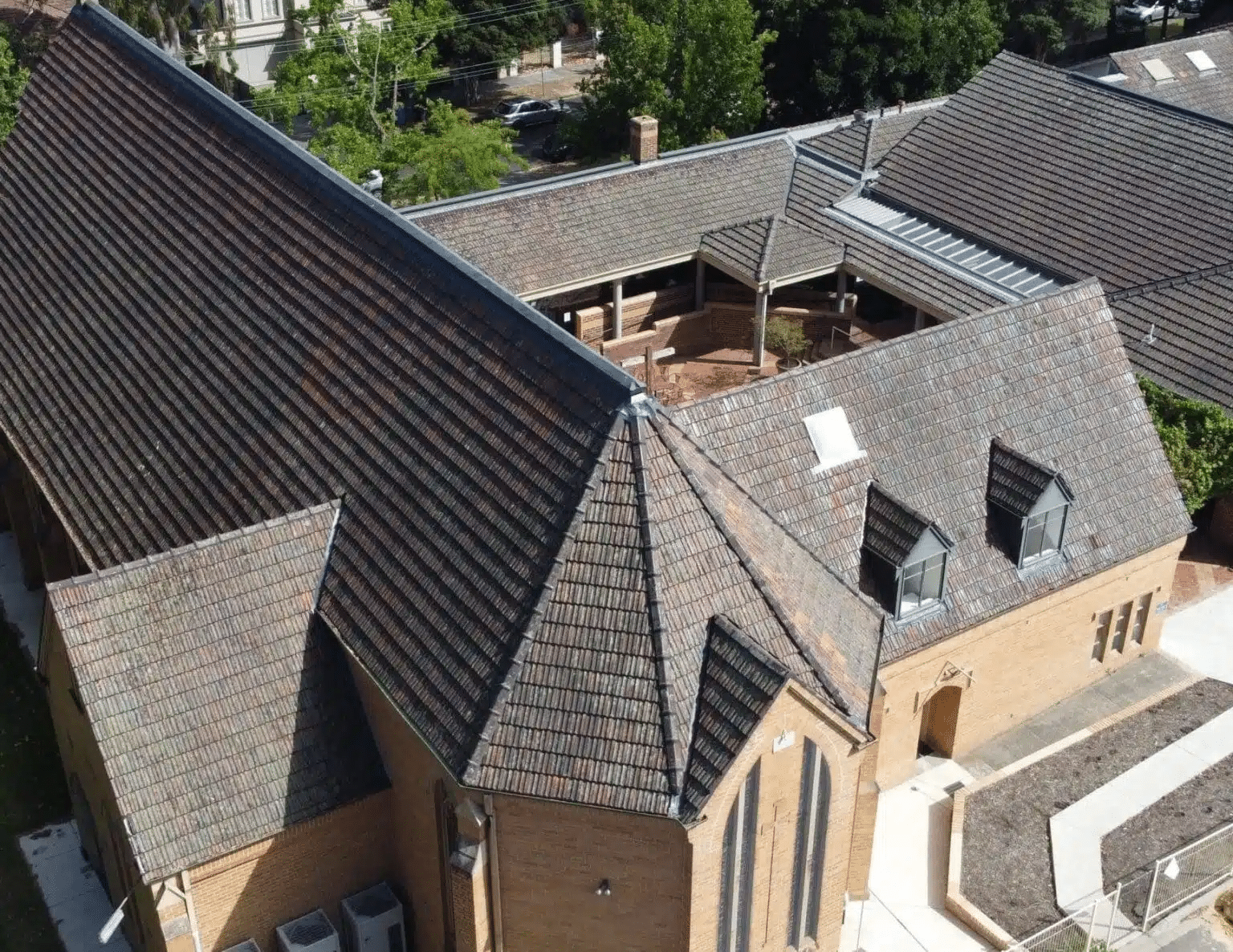
Heritage Terracotta Roof Restoration, Historic Church
A Gothic Revival church restored across two coordinated stages with lead flashings, valley metalwork and ridge capping fully renewed.
Cedar Shingle Roofs Reach End of Life Quietly
Thirty years is the lifespan. If yours is approaching it, or your block sits inside a Bushfire Management Overlay, the replacement decision needs to be right first time. We assess the roof and the frame beneath it. Fixed scope, photographs, no surprises.